
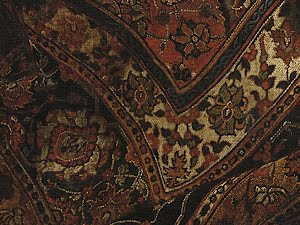
A rug can do a lot of heavy lifting in a home. In a hallway, dining room, living room, or bedroom, it helps define the space, adds comfort underfoot, and brings color, texture, and visual interest to the room. The good news: there are plenty of sustainable options—both vintage and new. Before you start shopping, focus on two key decisions:
- What size rug do you need?
- Do you prefer vintage or new?
Step One: Choose the Right Size
If you don’t already own a tape measure, now is the time—rug sizing is much easier when you can measure confidently. As a general guideline, you’ll typically want the rug to sit about 6–24 inches away from the baseboards. Go a bit closer in smaller rooms or leave more floor showing if you have beautiful flooring you want to highlight. Don’t forget to account for floor vents and doors as well.
In most rooms, a rug pad is well worth it. It reduces slipping, helps the rug wear better over time, and adds comfort. Jaipur makes rug pads in the United States in a wide range of sizes—and many can be trimmed with scissors for a more custom fit.
For Dining Rooms
For dining spaces, size is everything. Make sure your rug extends at least 24 inches beyond the tabletop on all sides so chairs can slide in and out easily while staying on the rug. (For more dining room tips, check out our dining room blog.)
For Bedrooms
In bedrooms, you’ll want that same comfort buffer: aim for at least 24 inches of rug extending beyond the bed, so your feet land on something soft when you get up. If a large rug isn’t the right fit, runners on one or both sides of the bed can work beautifully.
For Living Rooms
Living rooms offer a few good layout options:
- All furniture legs on the rug (a grounded, finished look)
- Front legs only on the rug (a common and flexible approach)
- A combination depending on the room size and furniture placement
For visuals and floor plan examples, The Organic Weave Shop has an excellent rug sizing guide.
Step Two: Vintage or New?
Vintage rugs are inherently sustainable—you’re giving an existing item new life. If you prefer something new, there are also wonderful brands creating new rugs with responsible materials such as organic cotton, wool, and recycled fibers.
Campau Kitchen & Bath owner Barb Dornbush has more than 20 years of experience in eco-friendly residential interior design. Below are her favorite sources for sustainable rugs, along with what makes each one a responsible choice.
Favorite Sources for Vintage Rugs
Both Chairish and 1stDibs allow you to filter by price, size, and style. When searching, select “Vintage” under Item Type to narrow your results. One especially helpful feature on 1stDibs is the ability to search by city or state, so you can find rugs nearby. That can reduce shipping emissions—and sometimes makes it possible to view a rug in person before purchasing.
Favorite Sources for New, Sustainable Rugs
One of the most budget-friendly ways to create a sustainable rug is to use eco-friendly carpet tiles. FLOR offers carpet tiles in a wide range of colors that can be used on their own or combined to create bold stripes, patterns, or checks. FLOR’s carpet tiles are made in the U.S. using recycled and bio-based materials.
Hook & Loom makes both handwoven cotton rugs and wool rugs in flatweave and loom-hooked styles. Their flatweave Eco-Cotton rugs are especially affordable and made from 100% recycled cotton, available in many colors. They also offer undyed rugs made from GOTS-certified organic cotton—the most rigorous certification for organic textiles.
Hook & Loom also produces undyed wool rugs in a wide variety of looks—solid, heathered, cross-woven, and patterned. Wool is comfortable, resilient, and naturally stain resistant, and it comes in an impressive range of natural shades from off-white to taupe to gray.
For beautiful handwoven options, The Organic Weave Shop offers both wool and cotton collections. They use GOTS-certified organic cotton, GOTS certified wool, natural dyes, and no chemical treatments. In addition, their rugs are GoodWeave certified, which verifies that rugs are produced without child labor.
If you’re looking for something truly special, Odegard makes luxurious, all-natural handwoven rugs. Their rugs are also GoodWeave certified, and many are made with natural dyes. If there isn’t a dealer near you, you can email them directly for pricing and details.
In Summary
Finding a stylish, sustainable rug is absolutely doable. Once you know the right size, decide vintage or new, and shop from sources that prioritize responsible materials and ethical production, you’ll be on your way to a rug that enhances your home for years to come.